
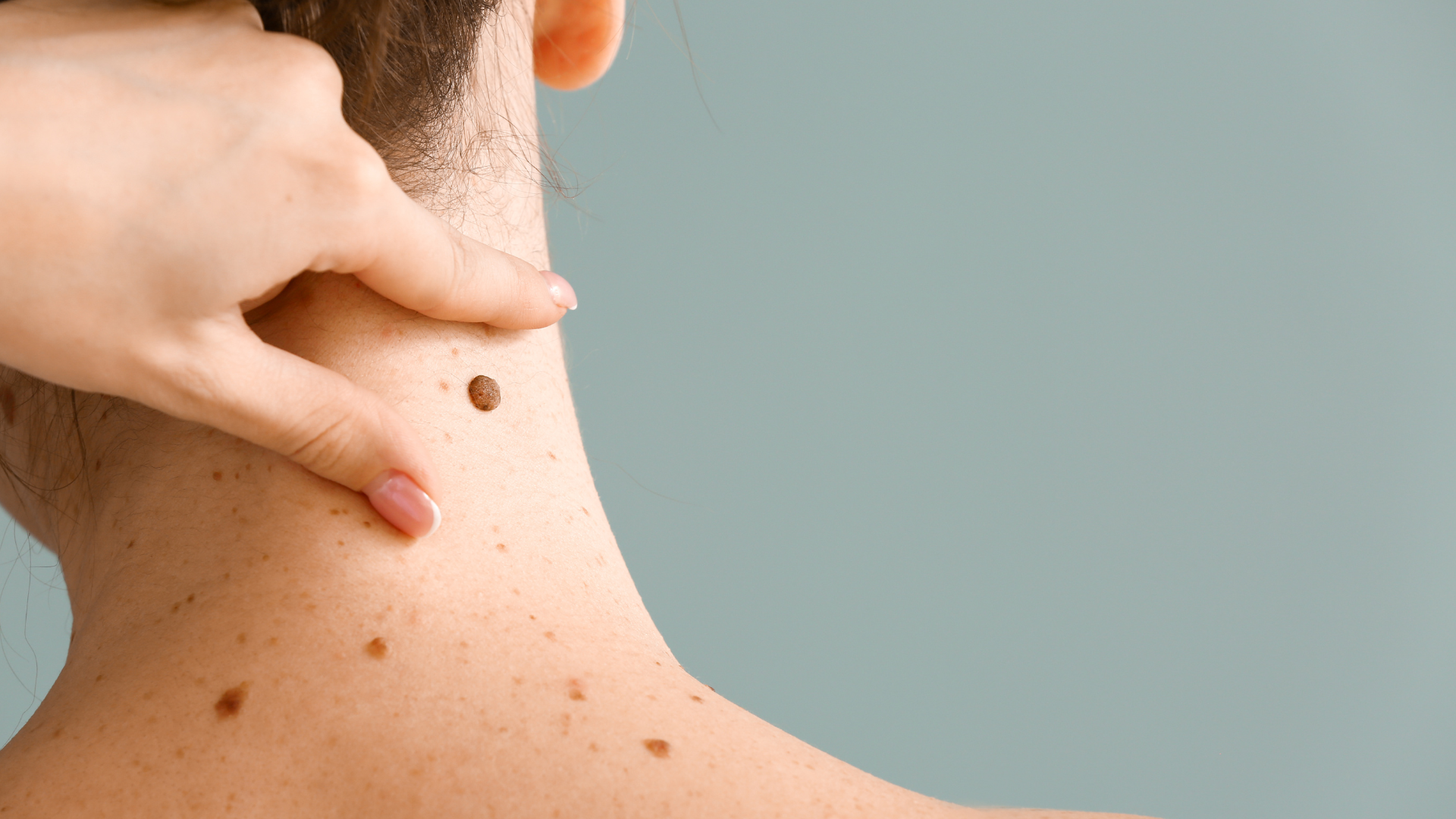

Many people live with a mole or skin lesion for years without thinking twice about it. But when something begins to change, whether that’s colour, shape, texture or size, it’s important not to ignore it.
During Skin Cancer Awareness Month, conversations around mole checks and skin lesion assessments increase significantly. More people begin searching online for reassurance, guidance and early signs to look out for.
At SkinGenius Clinic in Stockton Heath, we believe education and early professional assessment play an important role in supporting long-term skin health and safety-first aesthetics.
While many moles and skin lesions are completely harmless, understanding when something should be professionally reviewed can help provide reassurance and support earlier medical intervention where appropriate.
Why more people are searching about mole checks
Searches relating to skin cancer awareness, changing moles and suspicious skin lesions continue to rise every year. Particularly during spring and summer months when skin becomes more visible and people spend more time outdoors.
Questions like:
- “Should I be worried about a mole changing colour?”
- “What does skin cancer actually look like?”
- “When should I get a skin lesion checked?”
This rise in searches reflects a broader shift towards preventative skin health and earlier awareness.
Many clients are not necessarily expecting something serious. Often, they simply want reassurance about a mole or lesion that has started to feel different, become raised, changed in appearance or become more noticeable over time.
The signs a mole or skin lesion requires assessment
Not every mole or skin lesion signals something serious, but you should never ignore certain changes.
You should seek professional advice if a mole or lesion changes in colour, shape or size, develops irregular borders, becomes raised unexpectedly, starts itching or bleeding, or suddenly looks different from the moles around it.
Many people use the ABCDE rule as a simple way to monitor moles. This looks at asymmetry, border irregularity, colour variation, diameter and evolving changes.
However, the most important thing you can do is pay attention to your own skin. If something no longer looks or feels the same as it once did, book a screening for reassurance and appropriate guidance.
At SkinGenius Clinic in Stockton Heath, Cheshire, we regularly support clients who want expert reassurance around benign skin lesions, moles and visible changes within the skin.

Why early assessment matters
But subtle changes are the most important to notice.
Understanding benign skin lesions
Many common skin lesions seen within aesthetic clinics are non-cancerous and may develop naturally with age, sun exposure, genetics or skin changes over time.
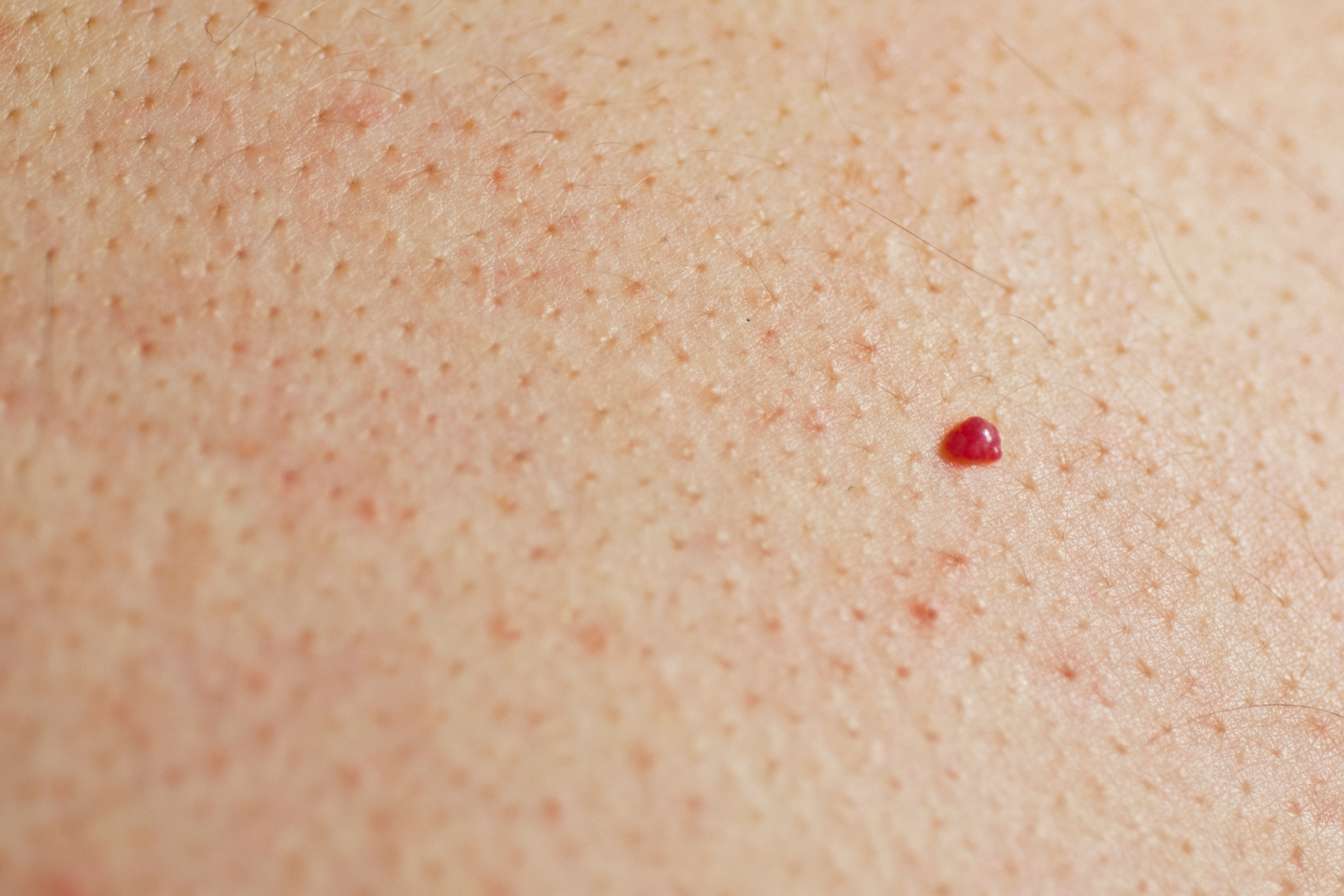
Examples can include skin tags, seborrhoeic keratoses, cherry angiomas and certain benign moles.
While these lesions are often harmless, changes in appearance or uncertainty around a lesion should always be reviewed before considering cosmetic removal.
At our Warrington based clinic, client safety always comes before cosmetic treatment.
Why a safety-first approach matters
The aesthetics industry is increasingly moving towards more medically led, clinically responsible treatment planning. This means not simply removing or treating lesions for cosmetic reasons without first ensuring they are suitable for aesthetic treatment.
Sun exposure, skin ageing and long-term skin health
Sun exposure remains one of the biggest contributors to both visible skin ageing and skin damage over time.
Repeated UV exposure can contribute to pigmentation changes, collagen breakdown, premature ageing and increased skin damage.
Protecting the skin through daily SPF use, regular skin awareness and professional skin health assessments plays an important role in maintaining healthier skin long-term.
At SkinGenius, we strongly encourage clients to approach skin health proactively rather than reactively.
What to expect from a mole & skin lesion consultation
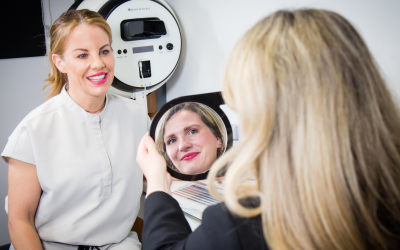
A skin lesion or mole consultation allows your practitioner to assess the area and advise on the safest, most appropriate next steps.
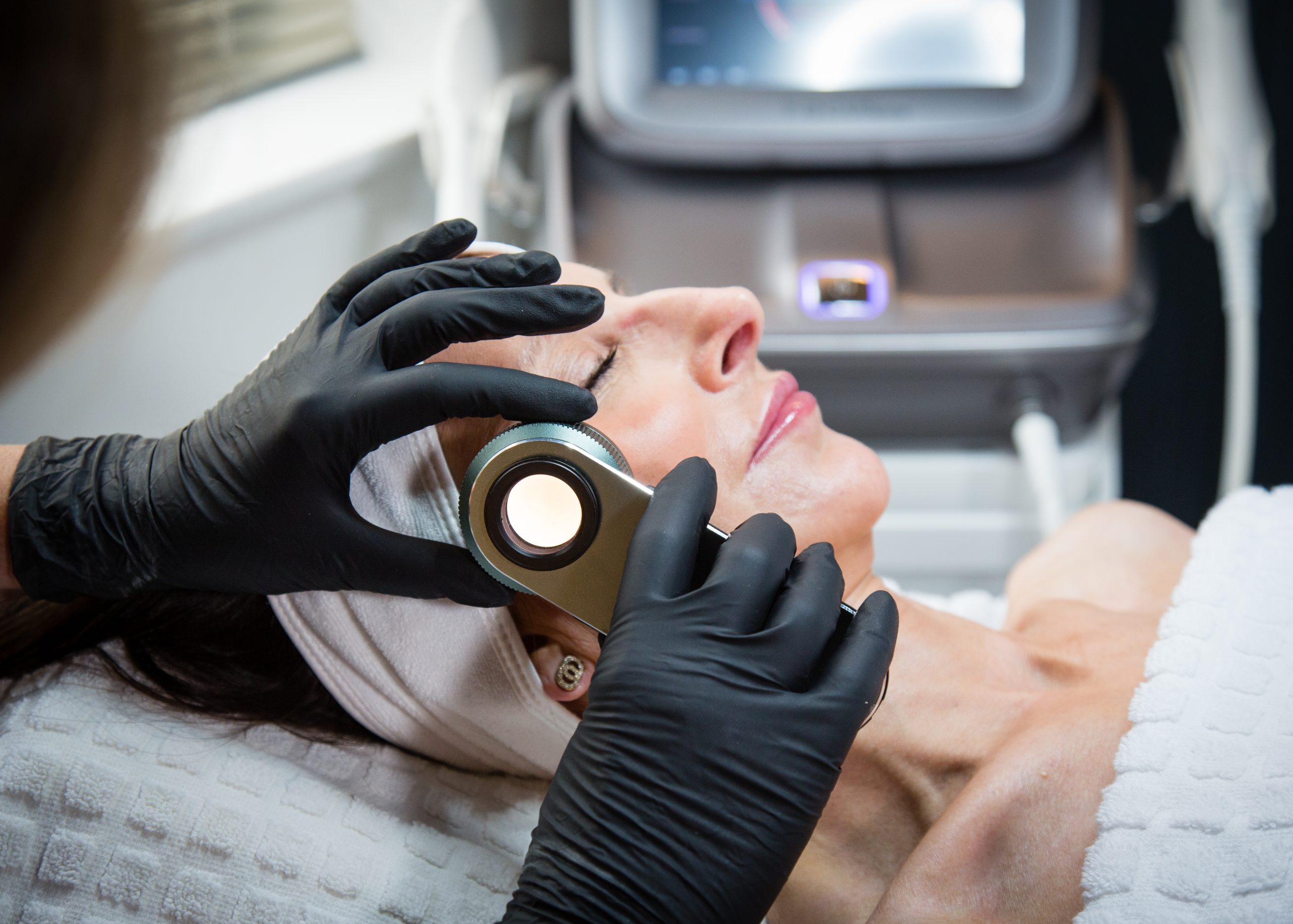
For moles, we require dermoscopy screening in partnership with MapMyMole before any cosmetic removal. Our practitioner will capture detailed images beneath the surface of the mole, which are then reviewed remotely by a consultant dermatologist, with a report issued within one week.
Where removal is suitable, we’ll book you in for treatment and guide you through aftercare to support safe healing and the best possible result.
The importance of listening to your skin
You do not need to panic over every mole or lesion. But you should feel comfortable seeking professional guidance if something changes, becomes symptomatic or no longer feels familiar.
Early conversations are always better than delayed concerns.
Our focus is always on skin health, client education and supporting a safe, clinically led approach to aesthetics.
Book a personalised skin lesion consultation for guidance and a safety-first approach to skin health.
Mole & Lesion Dermoscopy screening: Book now
Skin Lesion Consultation: Book now
FAQs
When should I get a mole checked?
You should book a professional assessment if a mole changes in colour, shape, size or texture, or if it starts to itch, bleed or look noticeably different over time.
What are the signs of a suspicious mole?
Look out for asymmetry, irregular borders, uneven colour, ongoing changes, bleeding, itching or irritation.
Are all skin lesions dangerous?
No. Many skin lesions are completely benign, but you should always seek professional advice if you notice changes or feel unsure.
Can aesthetic clinics check moles?
Clinically led skin clinics can assess skin lesions and advise whether you need referral or further investigation. They should not replace medical diagnosis where there are concerns.
What causes skin lesions to appear?
Age, genetics, sun exposure, hormonal changes and natural skin ageing can all contribute to skin lesions developing.
Should I remove a mole for cosmetic reasons?
You should have any mole or lesion professionally assessed first to confirm whether cosmetic treatment is appropriate.
Does sun exposure increase skin damage?
Yes. UV exposure can accelerate skin ageing, trigger pigmentation and contribute to long-term skin damage, which is why daily SPF matters.
What is the difference between a mole and a skin lesion?
A mole is one type of skin lesion. “Skin lesion” is a broader term that can describe many different skin growths, marks or changes.
Enjoy this blog? Check out our full blog collection for more skin tips and expertise
0 Comments