
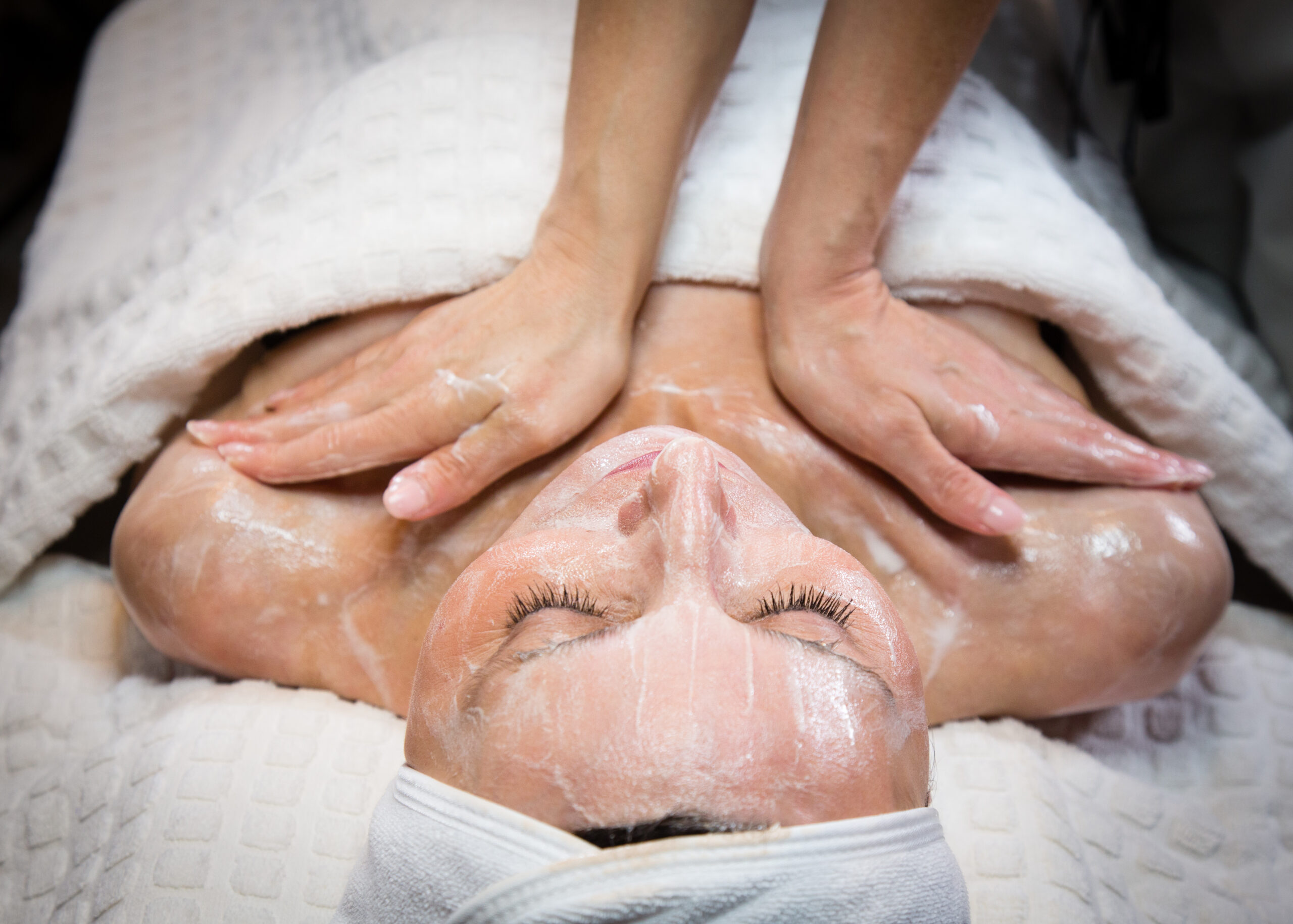

Many women notice dramatic skin changes during perimenopause and menopause. Skin can suddenly feel thinner, drier, more sensitive or less resilient, sometimes seemingly overnight.
One of the reasons menopause skin has become such a heavily searched topic online is because many women feel unprepared for how significantly hormones can affect skin quality. At SkinGenius Clinic in Stockton Heath, we increasingly support clients experiencing sudden dryness, redness, rosacea flare-ups, sensitivity, accelerated ageing changes, dullness and loss of elasticity.
Why hormonal changes affect the skin
Oestrogen plays a significant role in skin hydration, collagen production and elasticity. As hormone levels decline, collagen production can reduce rapidly, and the skin may begin to feel thinner, drier and less able to repair itself.
This often leads to crepey texture, dehydration, thinning skin, increased sensitivity and slower healing. For many women, these changes can feel frustrating because their usual skincare routine may no longer work in the same way.
Why menopause skin needs a different approach
Many skincare products that once worked perfectly may suddenly feel irritating or ineffective. This is because the skin barrier often becomes more fragile during menopause.
At our Cheshire skin clinic, treatment plans during this stage of life increasingly focus on barrier repair, collagen support, hydration, inflammation reduction and regenerative stimulation rather than aggressive resurfacing alone. The aim is to strengthen and support the skin, not overwhelm it.

Treatments that support menopausal skin
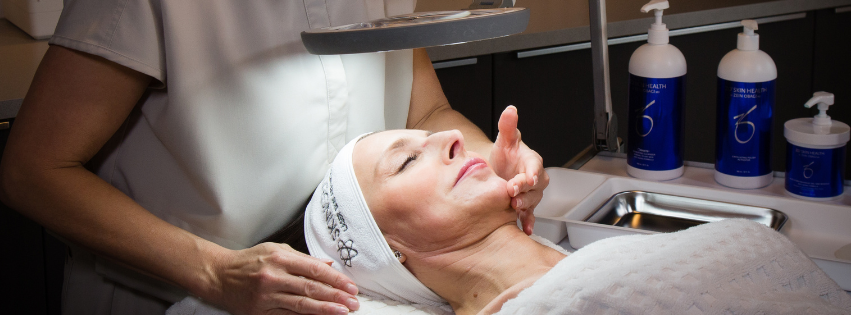
At SkinGenius Clinic, treatment plans for menopausal skin are usually focused on restoring comfort, resilience and skin function rather than aggressively over-treating the skin.
A more supportive conversation around ageing
One of the most positive shifts happening within aesthetics is the move away from trying to “fight” ageing aggressively. Increasingly, clients want treatments that help them feel fresher, healthier and more confident while still looking entirely like themselves.
At SkinGenius Clinic, our approach always prioritises healthy skin function and realistic, natural-looking results. Menopause skin needs thoughtful, supportive treatment planning rather than harsh or overly corrective approaches.
Where it starts: Skin Health Consultation & First Personalised Treatment
If your skin feels different during perimenopause or menopause, book a personalised Skin Health Consultation (which includes your first personalised treatment) at SkinGenius Clinic. We are based in Stockton Heath, Warrington, Cheshire.
Book now
FAQs
Why does skin change during menopause?
Hormonal changes can reduce collagen, hydration and elasticity, which can make the skin feel thinner, drier, more sensitive and less resilient.
What helps menopausal skin?
A combination of barrier-supportive skincare, hydration-focused treatments and regenerative collagen support may help improve comfort and skin quality.
Can menopause cause rosacea or redness?
Hormonal changes can contribute to increased flushing, sensitivity and redness in some clients, especially where the skin barrier is already compromised.
Are skin boosters good for menopause skin?
Skin boosters may be helpful for improving hydration and crepey texture, depending on the individual’s skin concerns.
Enjoy this blog? Check out our full blog collection for more skin tips and expertise
0 Comments